{


Educational Contents

A dedicated health organization driven by compassion, providing quality care, awareness programs, and essential support to transform lives affected by PCOS.

Card image cap
Irregular periods and PCOS

Irregular periods are a common concern among women, and one of the primary underlying causes is Polycystic Ovary Syndrome (PCOS). PCOS is a hormonal disorder characterized by irregular menstrual cycles, excess androgens, and ovarian cysts. Its exact cause is complex, involving genetic and hormonal factors. PCOS brings a range of symptoms, including irregular periods, excessive hair growth, acne, weight gain, and ovarian cysts. Diagnosis involves medical history, physical exams, hormone level assessments, and imaging studies. Managing PCOS typically involves lifestyle changes like diet and exercise, birth control pills for menstrual regulation, and medications to address specific symptoms. For those with PCOS, it's essential to stay informed, build a support network, track menstrual cycles, manage stress, and remain patient throughout treatment. With a comprehensive approach to PCOS management, women can effectively address irregular periods and improve their overall well-being.

View More
Card image cap
PCOS and Hirsutism

Polycystic ovary syndrome (PCOS) is a prevalent endocrine disorder that affects millions of women worldwide. One of the most visible and distressing symptoms of PCOS is hirsutism, the excessive growth of hair in areas where it's typically associated with male patterns, such as the face, chest, and back. Understanding the relationship between PCOS and hirsutism is crucial for those dealing with this condition. In this informative video/article, we will delve into the underlying hormonal factors causing hirsutism in PCOS and explore effective management strategies. By addressing the root causes and providing actionable tips, we aim to empower individuals with PCOS to regain their confidence and effectively manage hirsutism. Hirsutism in PCOS is primarily driven by elevated androgen levels, which disrupt the normal hair growth cycle. To combat this issue, our video/article will discuss evidence-based solutions such as hormonal therapy, lifestyle modifications, and cosmetic interventions. We will also touch upon the importance of consulting healthcare professionals, like endocrinologists and dermatologists, who can provide personalized guidance and treatments to address hirsutism effectively. Whether you're personally dealing with PCOS-related hirsutism or seeking information to support a loved one, our content aims to provide clarity and actionable steps to manage this aspect of PCOS and improve overall quality of life. Stay tuned for valuable insights and expert advice on dealing with PCOS and hirsutism.

View More
Card image cap
PCOS, Irregular Periods, and Diabetes Management

Polycystic ovary syndrome, or PCOS, is a complex endocrine disorder that we frequently encounter in our practice as an endocrinologist. PCOS is often characterized by a constellation of symptoms, but irregular periods are a hallmark feature. These menstrual irregularities result from hormonal imbalances, particularly elevated levels of androgens and insulin resistance. Managing irregular periods in PCOS patients involves a personalized approach, which may include hormonal contraceptives to regulate the menstrual cycle and reduce androgen levels. Additionally, addressing the underlying insulin resistance is crucial, as it not only impacts menstrual regularity but also increases the risk of diabetes. For diabetic patients with PCOS, we emphasize the importance of meticulous glucose control through lifestyle modifications and, if necessary, medications like metformin. By addressing both the hormonal and metabolic aspects of PCOS, we strive to improve the overall health and well-being of our patients while enhancing their fertility prospects when desired. Collaborative care and patient education play pivotal roles in achieving these goals.

View More
Card image cap
PCOS, Subfertility, Causes, and Treatments

PCOS and subfertility are often interconnected, as PCOS, or Polycystic Ovary Syndrome, is a leading cause of subfertility in women. The hormonal imbalances associated with PCOS can disrupt the regular ovulation process, leading to irregular or absent menstrual cycles, which can make it challenging to conceive. Insulin resistance is another common feature of PCOS, contributing to subfertility. Effective treatment modalities for subfertility in PCOS may involve lifestyle changes such as weight management through diet and exercise, as losing excess weight can improve ovulatory function. Additionally, medication-based interventions, such as ovulation-inducing drugs like clomiphene citrate, or in vitro fertilization (IVF) techniques, may be recommended to help women with PCOS achieve pregnancy. Seeking medical guidance and fertility counseling is crucial for personalized treatment options tailored to the individual's specific needs and goals.

View More
Card image cap
Diet & lifestyle changes for PCOS management

Managing PCOS effectively involves essential changes in diet and lifestyle. PCOS, characterized by hormonal imbalances and insulin resistance, often leads to irregular periods, weight gain, and fertility challenges. A balanced diet, focusing on whole foods, fiber-rich choices, and low-glycemic options, helps stabilize blood sugar levels and support weight management. Regular exercise, combining aerobic and strength training, enhances insulin sensitivity and promotes hormonal balance. Stress management through mindfulness and sufficient sleep is crucial, as high stress levels can exacerbate symptoms. These adjustments can significantly improve the quality of life for individuals with PCOS, but it's essential to consult healthcare professionals or registered dietitians to create a personalized plan tailored to specific needs and goals.

View More
Card image cap
PCOS Awareness & Society

Incidence of PCOS in our day to day practice is 1 in 10. Despite this public awareness of PCOS is negligible. Young girls and women are unaware of it. People are unknown to the gravity of this condition. Everybody presents with different manifestations, commonly menstrual disorder, unwanted hair, acne, hairfall, unnecessary weight gain, sunfertility, dark patches over armpit and nape of neck. This can lead to negative body image and depression. Hence, with a hope to shed light and lead the path to diagnosis, counseling and treatment of these young nepalese women I, Prof.Dr Achala Vaidya have started this society. Together let’s keep going.

View More
Card image cap
What you need to know

PCOS, which stands for Polycystic Ovary Syndrome, is a common hormonal disorder that affects individuals with ovaries. It can have a significant impact on a person's health and quality of life. In this video, we'll dive deep into PCOS, covering its causes, symptoms, treatment options, and effective management strategies. Whether you're looking for information or seeking ways to manage PCOS, this comprehensive guide has you covered. Stay tuned to learn more about this important health condition.

View More
Card image cap
PCOS & Endocrine : Facts

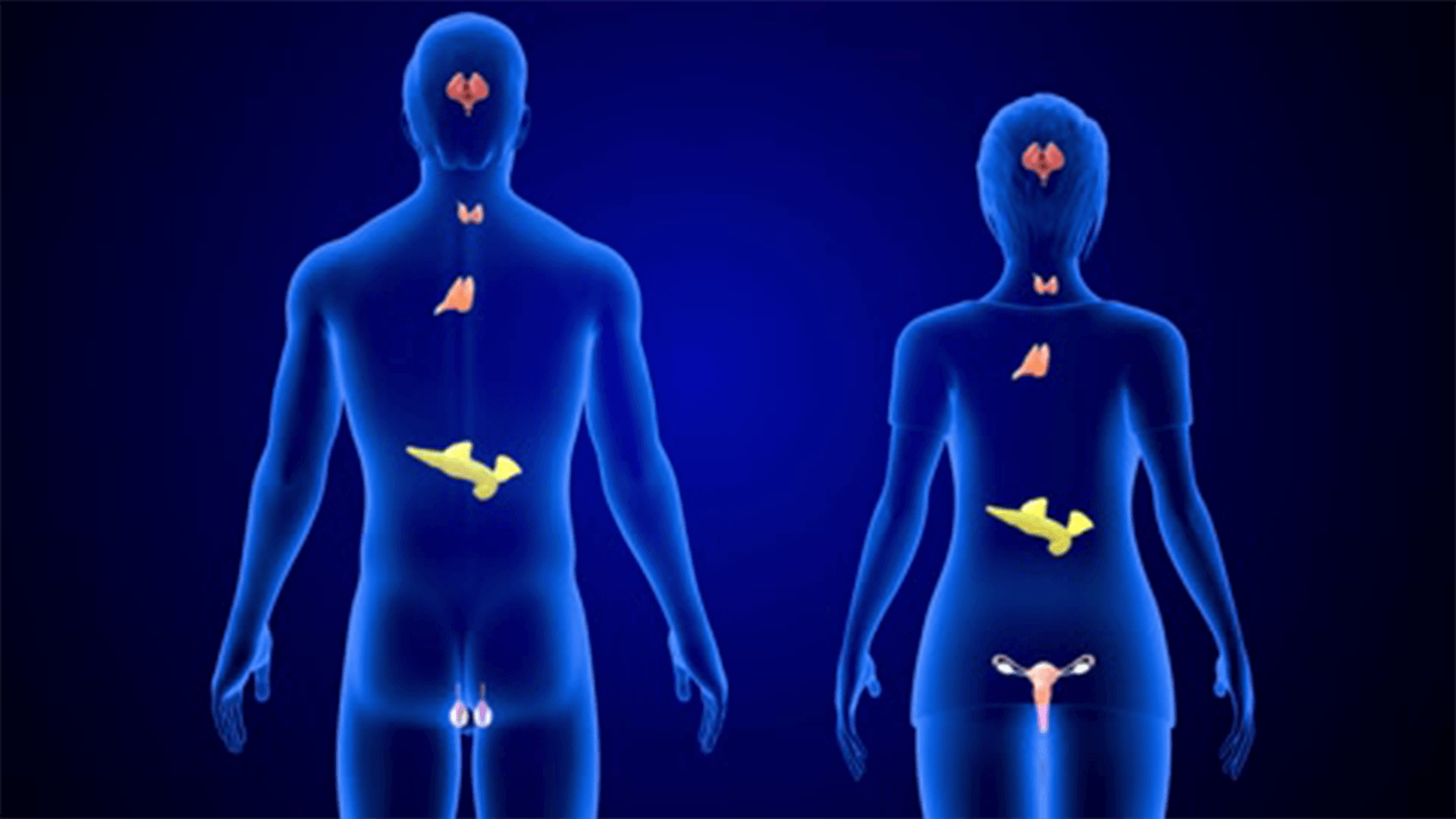
Polycystic Ovary Syndrome (PCOS) affects a substantial 8-13% of women in their reproductive years worldwide. Beyond its evident impact on biopsychosocial aspects, PCOS generates a considerable economic burden spanning reproductive, metabolic, and psychological complications. Bridging the gap between knowledge and practice is vital, as is the dissemination and translation of information into clinical approaches. These steps hold the key not only to narrowing the divide between what is known and what is applied but also to steering future research directions and ultimately amplifying the positive influence on the well-being of women dealing with PCOS.

View More
Card image cap
OB/GYN & PCOS

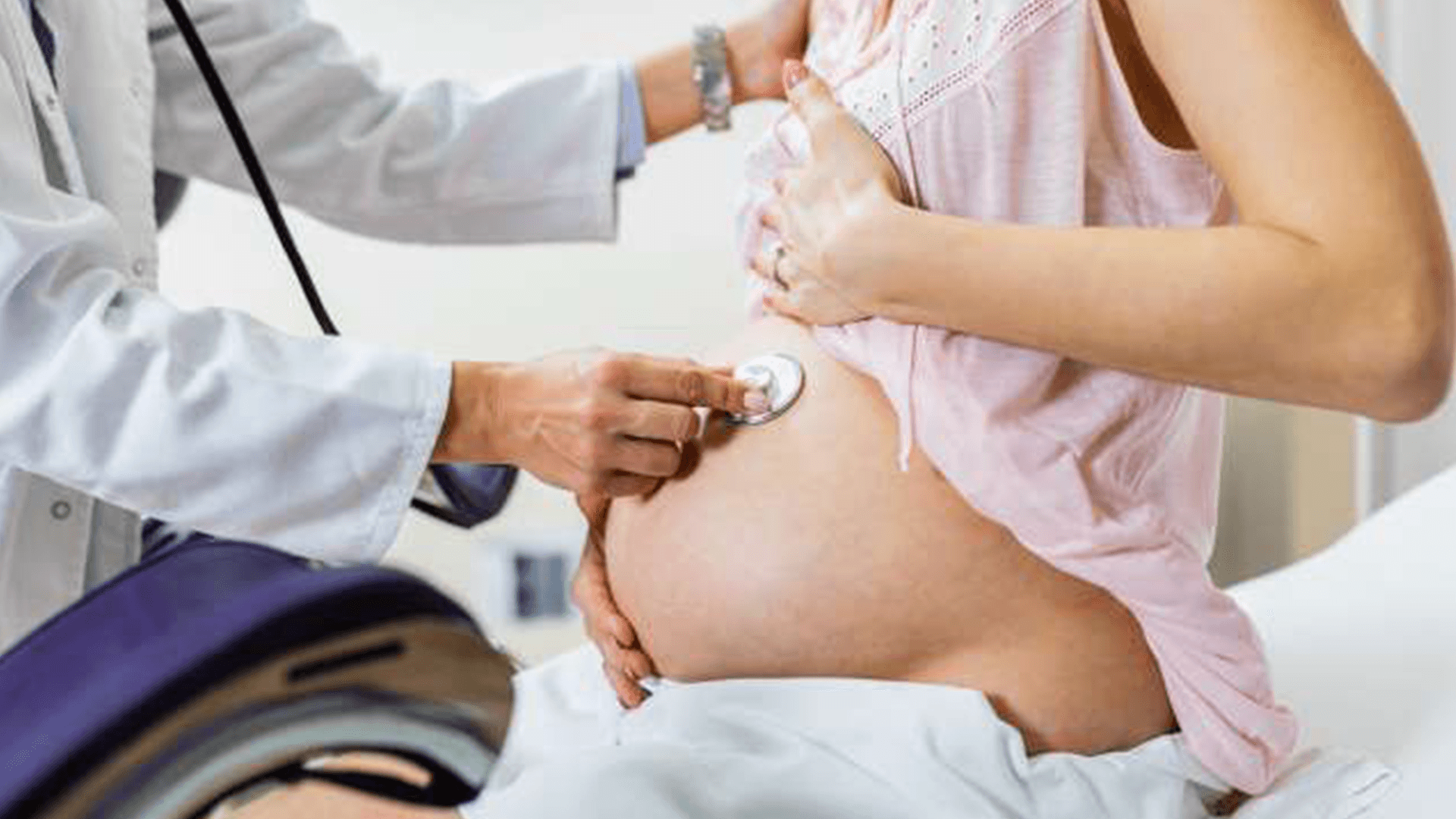
Raising awareness about the symptoms of Polycystic Ovary Syndrome (PCOS) is crucial for women's health. Encouraging them to seek assistance when experiencing these symptoms is paramount. As the initial point of contact for women grappling with PCOS symptoms, OB/GYN professionals play a pivotal role in diagnosis and holistic management. Following international PCOS management protocols, we not only diagnose but also provide comprehensive care. Our approach encompasses counseling, and we facilitate referrals to specialists such as endocrinologists, dieticians, dermatologists, and counselors when needed, ensuring a well-rounded and effective management strategy for each patient's unique needs.

View More

Learn More about PCOS
Here will be the summary of the video content and some keypoint that might capture audience’s attention through the content and their personal symptoms.

Join us in a Noble Pursuit !

Be a part of our transformative mission to make a lasting impact, as we strive to empower lives
and create a healthier future together.

Quick Info

Frequently Asked Questions

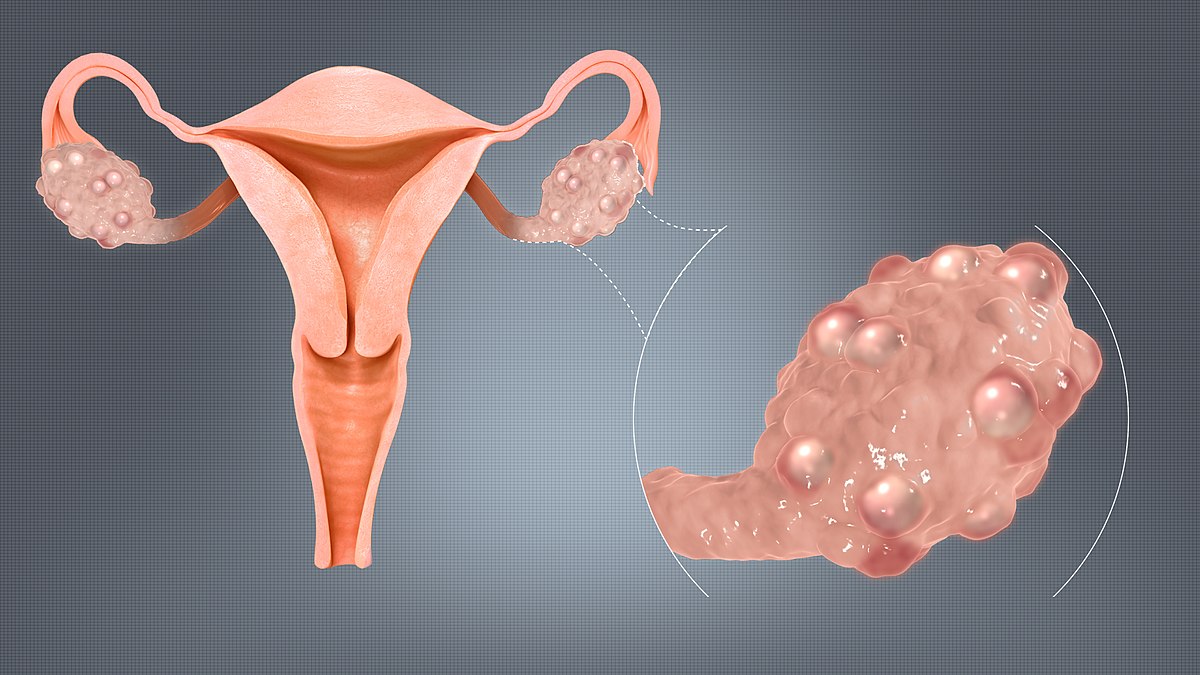
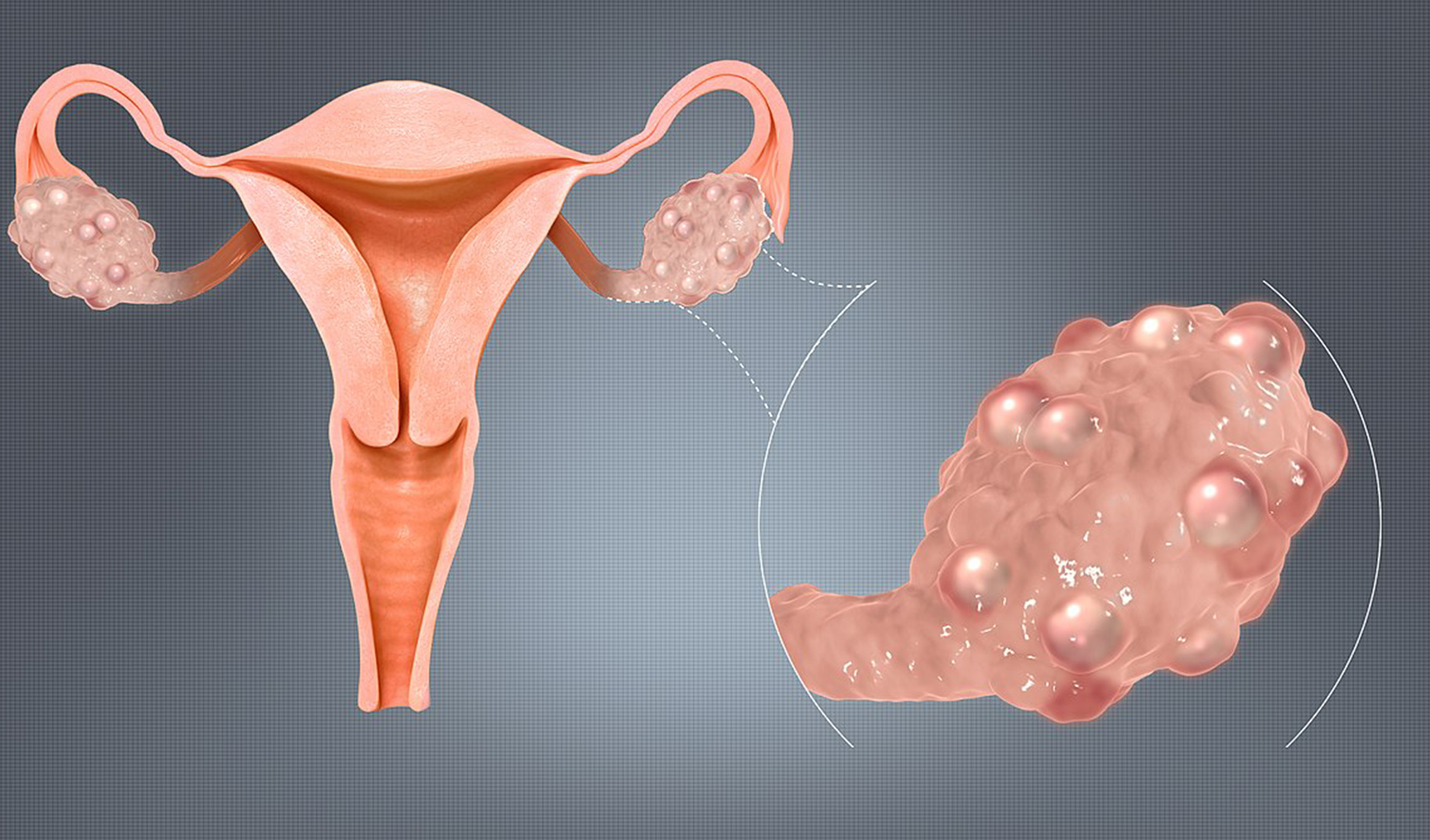
PCOS stands for Polycystic Ovary Syndrome, which is a hormonal disorder that affects women of reproductive age. It is a common condition characterized by a variety of symptoms, including irregular or absent menstrual periods, excess androgen (male hormone) levels, and the presence of multiple small cysts on the ovaries.

Currently, the exact cause of PCOS is unknown. Some experts lean toward the theory that it might be a genetic, inherited condition since women who have it are more likely to have a sister or mother who also has it. Most feel that women with PCOS have a defect in insulin i.e. insulin resistance, increased levels of hormones called androgens and increased LH/FSH ratio.

Common signs of polycystic ovary syndrome (PCOS) include the following:
    - Irregular menstrual periods—Menstrual disorders can include absent periods, periods that occur infrequently or too frequently, heavy periods, or unpredictable periods.
    - Infertility—PCOS is one of the most common causes of female infertility.
    - Obesity—As many as 4 in 5 women with PCOS are obese.
    - Excess hair growth on the face, chest, abdomen, or upper thighs—This condition, called hirsutism, affects more than 7 in 10 women with PCOS.
    - Severe acne or acne that occurs after adolescence and does not respond to usual treatments
    - Oily skin
    - Patches of thickened, velvety, darkened skin called acanthosis nigricans
    - Multiple small fluid-filled sacs in the ovaries

Three criteria determine if you have PCOS. Irregular menstrual cycles since puberty (when not on hormones), signs of androgen excess (excessive hair growth, acne or an elevated blood testosterone level) and PCOS appearing ovaries by ultrasound. To have the diagnosis of PCOS you on need to meet 2 of the 3 above mentioned criteria.

The long term health risks for patients with PCOS include: Hypertension Diabetes Impaired glucose tolerance Coronary Artery disease Endometrial cancer Hypercholesterolemia with low HDL Gestational diabetes Sleep apnea Depression

It might. Because it is a hormonal imbalance, it can hamper normal ovulation and cause female infertility as well as sub-fertility.

For women who are overweight, weight loss alone may regulate the menstrual cycle. Even a small loss of weight of 10% may be helpful in making menstrual periods more regular. Weight loss also has been found to improve cholesterol and insulin levels and relieve symptoms such as excess hair growth and acne, improved ovulation. This would help in conception.

No, there isn’t. It can be managed with the appropriate treatment prescribed by doctors, but not cured. Weight loss may help improve the symptoms in a lot of women with PCOS.

Combined hormonal birth control pills can be used for long-term treatment in women with PCOS who do not wish to get pregnant. Combined hormonal pills contain both estrogen and progestin. These birth control pills regulate the menstrual cycle. They also can reduce hirsutism and acne. And they can decrease the risk of endometrial cancer.

Insulin-sensitizing drugs used to treat diabetes frequently are used in the treatment of PCOS. These drugs help the body respond to insulin. In women with PCOS, they can help decrease androgen levels and improve ovulation. Restoring ovulation may help make menstrual periods regular and more predictable.

Contact

Need Help? Contact Us

Our Address

Thapathali, Kathmandu

Email Us

info.pcos@gmail.com

Call Us

+1 5589 55488 55

Opening Hours

Mon-Sat: 11AM - 23PM; Sunday: Closed
Loading
Your message has been sent. Thank you!